
Balancing Skills and Culture Fit for Better Hiring

Date Posted: Tue Jul 2026

When assessing new talent, it is easy to focus entirely on a candidate’s technical skills. A resume filled with the right certifications, experience, and software proficiencies is concrete and easy to measure. However, evaluating a candidate's workplace culture fit is just as critical to long-term success. While technical abilities dictate what an employee can do on day one, their cultural alignment determines how well they will collaborate and how long they will actually stay with your business.  Failing to balance these two factors is one of the leading causes of premature employee turnover across UK industries. When a new hire is mismatched with the team's working environment, it creates invisible friction that lowers productivity and eventually forces you back into the recruitment market. 

The True Cost of Cultural Misalignment

Recruiting solely for hard skills introduces a massive financial risk. If an employee lacks a specific technical skill, you can usually fix it with structured training. However, if their core work values and communication styles clash with your existing environment, it is incredibly difficult to correct.  The financial data surrounding hiring mistakes in the UK highlights why a balanced approach is so important: 
  • Increased Turnover Rates: According to recent workforce insights from the Chartered Institute of Personnel and Development (CIPD), the average employee turnover rate across UK businesses sits around 34% annually, driven heavily by poor alignment. 
  • High Replacement Costs: Research from the Recruitment and Employment Confederation (REC) indicates that a poor hire at a mid-management level can cost a UK enterprise up to £132,000 when factoring in recruitment fees, wasted training hours, and lost momentum. 
  • The Productivity Drag: Independent market data shows that the true cost of a bad hire can quickly reach double the individual's base salary once you account for re-advertising, onboarding, and the drop in morale among the remaining team members who have to pick up the slack. 

Role Fit vs. Workplace Culture Fit

To hire effectively, recruitment teams need to evaluate candidates across two distinct categories: 
  • Role Fit (Capabilities): This covers the candidate’s hard skills, education, and past experience. It answers a simple question: Can they perform the tasks required for this job?
  • Workplace Culture Fit (Compatibility): This covers how the candidate communicates, how they handle pressure, and whether they share the company's core values. It answers the deeper question: How will this person’s presence affect the rhythm and speed of the existing team? 
When you find a candidate who checks both boxes, the benefits compound. The team operates faster because everyone is on the same page, and your employee retention rates stabilise because people feel like they belong.

Practical Ways to Assess Cultural Alignment

To find the perfect fit, interviewers need to move past casual guesswork and use structured, objective interviewing methods. 
  • Be Honest About Your Real Environment: Before you can find a culture fit, you must clearly define how your team operates on a daily basis. If your business requires rapid, autonomous decision-making, an individual who prefers highly rigid, step-by-step supervision will struggle to adapt. 
  • Look for a "Culture Add," Not a Clone: Cultural alignment does not mean hiring a group of people who think exactly alike, instead, look for a culture addition. Find people from diverse backgrounds who share your foundational principles, like accountability and transparency. 
  • Use Behavioural Interview Questions: Avoid hypothetical questions like "How would you handle a difficult client?" because they lead to rehearsed answers. Instead, ask for real-world history: "Tell me about a specific time you disagreed with a team decision, and how you handled it." 
By balancing technical capability with a genuine workplace culture fit, you look past the surface layer of a resume. This logical approach protects your team's energy, saves on recruitment costs, and builds a stable foundation for long-term business growth. 

Support with Your Next Hire

Balancing skills and cultural fit can be complicated without a dedicated hiring team on your side, contact me directly or find your nearest JDR office to discuss how we can support with your hiring needs. 
Written By:
Deb B
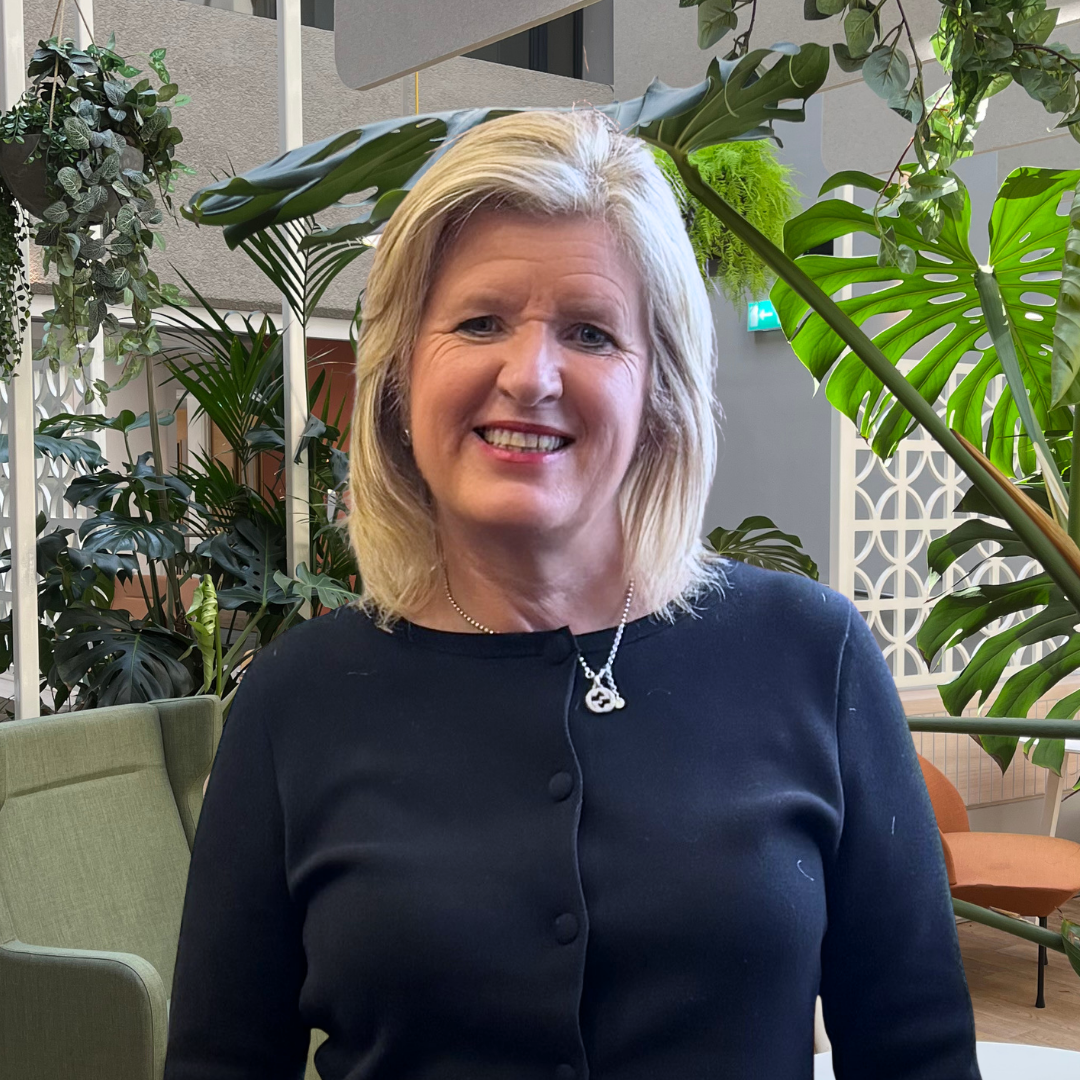
Deborah Blouet
Senior Business Manager
Bringing over 30 years of expertise in talent acquisition, Deborah specialises in delivering high-level recruitment solutions across Office Services, Finance, Sales, and Industrial markets. Deborah is committed to building deep-rooted relationships through face-to-face communication, ensuring a first-class service that matches both skill sets and personality profiles to the unique needs of every client.
Connect on LinkedIn